
 Image 1 of 1
In the 1980s, Mogadishu was home to one of East Africa’s most vibrant music scenes. Nightclubs, hotels and theatres filled with the sound of ambitious young musicians blending Somali melodies with funk, disco, reggae, soul and jazz. At the centre of that movement was Dur-Dur Band — a group whose recordings would later travel far beyond Somalia’s borders and find new audiences decades after they were made.
Drummer Adan Handal was there from the beginning. Born in Mogadishu in 1962, he left school as a teenager to follow his obsession with music. Alongside childhood friend Isse Dahir Qassim, he first performed in school competitions before joining the military band Bakaka. When that chapter ended after the Ogaden War, the two musicians imagined something new: a private band that could bring together some of Mogadishu’s finest young talents and explore new directions in Somali popular music. That idea gave birth to Dur-Dur Band.
By 1984, the group had become the house band at the legendary Jubba Hotel, where they developed their explosive live performances and constantly evolving sound. Drawing inspiration from Somali traditions as well as international influences, Dur-Dur created music that was both deeply local and remarkably modern.
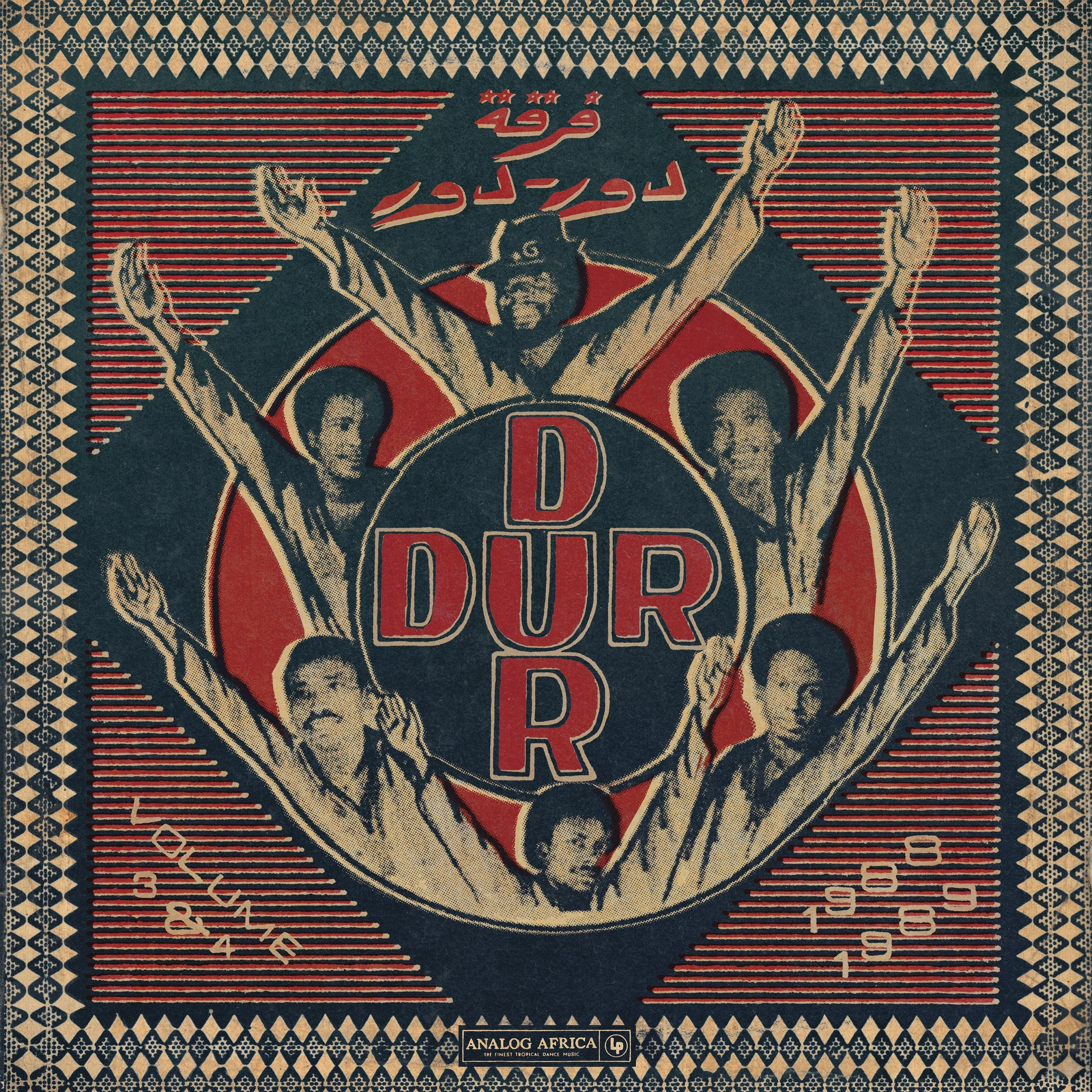
Their early cassette releases — Volumes 1 and 2 — quickly spread across Somalia. But it was with Volumes 3 and 4 that the band reached its creative peak. Recorded under difficult circumstances, these albums captured a group pushing against every limitation: experimenting with rhythms, arrangements and studio techniques while facing personal losses and a country moving toward crisis.
The making of Volume 3 was marked by tragedy when singer Shimaali Ahmed Shimaali was badly injured in a car accident and later left Dur-Dur to join Iftin Band, one of their main rivals. Shortly before the recording of Volume 4, Baastow — the band’s male lead singer from the beginning — left for Saudi Arabia. Another devastating blow followed when founder and bandleader Isse Dahir Qassim died in an electrical accident during a theatre soundcheck. For a time, the future of Dur-Dur was uncertain.
In the 1980s, Mogadishu was home to one of East Africa’s most vibrant music scenes. Nightclubs, hotels and theatres filled with the sound of ambitious young musicians blending Somali melodies with funk, disco, reggae, soul and jazz. At the centre of that movement was Dur-Dur Band — a group whose recordings would later travel far beyond Somalia’s borders and find new audiences decades after they were made.
Drummer Adan Handal was there from the beginning. Born in Mogadishu in 1962, he left school as a teenager to follow his obsession with music. Alongside childhood friend Isse Dahir Qassim, he first performed in school competitions before joining the military band Bakaka. When that chapter ended after the Ogaden War, the two musicians imagined something new: a private band that could bring together some of Mogadishu’s finest young talents and explore new directions in Somali popular music. That idea gave birth to Dur-Dur Band.
By 1984, the group had become the house band at the legendary Jubba Hotel, where they developed their explosive live performances and constantly evolving sound. Drawing inspiration from Somali traditions as well as international influences, Dur-Dur created music that was both deeply local and remarkably modern.
Their early cassette releases — Volumes 1 and 2 — quickly spread across Somalia. But it was with Volumes 3 and 4 that the band reached its creative peak. Recorded under difficult circumstances, these albums captured a group pushing against every limitation: experimenting with rhythms, arrangements and studio techniques while facing personal losses and a country moving toward crisis.
The making of Volume 3 was marked by tragedy when singer Shimaali Ahmed Shimaali was badly injured in a car accident and later left Dur-Dur to join Iftin Band, one of their main rivals. Shortly before the recording of Volume 4, Baastow — the band’s male lead singer from the beginning — left for Saudi Arabia. Another devastating blow followed when founder and bandleader Isse Dahir Qassim died in an electrical accident during a theatre soundcheck. For a time, the future of Dur-Dur was uncertain.